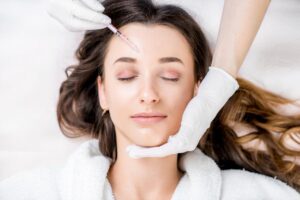
Botox Demystified: Science, Myths, Brands, and Smart Ways to Use It

Botox has been around for decades, yet it still feels mysterious to many people. Is it poison? Will it freeze your face? Is every brand the same? Can it help beyond wrinkles?
Let’s take a completely different angle than the usual surface-level articles and explore how Botox evolved, how it behaves inside muscles, how doctors choose between brands, and how patients can get the most natural, long-lasting results possible.
From Medicine to Aesthetics: How Botox Became Famous
Before Botox was ever linked to beauty, physicians were using botulinum toxin to treat:
-
Eye spasms
-
Facial paralysis
-
Muscle disorders
-
Neurological conditions
Its wrinkle-smoothing effect was discovered almost accidentally—patients treated for medical reasons noticed their lines had softened.
Since then, research and clinical experience have turned Botox into one of the most studied injectable treatments in the world, regulated and widely used by trained medical professionals.
What Botox Actually Does (In Plain English)
Every time you smile, frown, squint, or raise your brows, tiny facial muscles contract. Over years of repetition, those movements crease the skin—eventually forming visible lines.
Botox works at the nerve-to-muscle junction:
-
Nerves normally release a chemical messenger telling muscles to contract.
-
Botox temporarily blocks that signal.
-
The muscle relaxes.
-
The skin above it stops folding as strongly.
-
Lines gradually soften and new ones are prevented from forming.
Think of Botox as turning down the volume, not muting the sound entirely—when dosed correctly, expressions stay natural.
Why People Get Botox (It’s Not Just About Wrinkles)
Most headlines focus on cosmetic use, but in modern clinics Botox is also used for comfort, wellness, and function.
Cosmetic & Rejuvenation Goals
-
Softening forehead lines
-
Treating frown lines between the brows
-
Reducing crow’s feet
-
Slimming a strong jawline
-
Lifting brows subtly
-
Improving neck bands
-
Relaxing a dimpled chin
-
Creating a “lip flip”
Medical & Lifestyle Uses
-
Migraine prevention
-
Teeth grinding or jaw clenching
-
Excessive sweating (hyperhidrosis)
-
Neck and shoulder tension
-
Muscle spasms
This combination of aesthetic plus therapeutic benefits is what keeps Botox in constant demand.
The Big Question: Are All Botox Brands the Same?
People often say “Botox” the way they say “Kleenex”—but there are actually several neuromodulators available, produced by different pharmaceutical companies:
-
Botox® – made by Allergan
-
Dysport® – produced by Ipsen
-
Xeomin® – from Merz Pharma
-
Nuceiva® – by Evolus
-
Letybo® – manufactured by Hugel
What Makes Them Different?
All contain botulinum toxin type A, but they vary slightly in:
-
Protein structure
-
How widely they spread
-
Speed of onset
-
Unit measurement
-
How crisp or soft the effect appears
-
Longevity in certain muscles
Some are excellent for large areas like the forehead.
Others are preferred for precision work around the eyes or lips.
That’s why reputable clinics don’t pick a brand randomly—they choose based on your muscle strength, facial anatomy, history with injectables, and aesthetic goals.
Botox vs. Aging: Prevention vs. Correction
There are two main strategies when it comes to Botox:
🔹 Preventative Botox
Used in younger patients who are just starting to see expression lines. Small doses reduce repetitive folding so deep wrinkles never fully form.
🔹 Corrective Botox
Used when lines are already visible at rest. It relaxes the muscle so skin can recover and smooth out.
Many long-term patients notice that with consistent treatment, their muscles weaken slightly over time—meaning fewer units are needed later.
What About Fillers—Are They the Same?
Nope.
-
Botox relaxes muscles.
-
Fillers restore or add volume.
Wrinkles from movement → Botox.
Hollows, folds, or contouring → filler.
They’re often combined for full-face rejuvenation, but they serve totally different purposes.
Safety: What Science Says
Botulinum toxin has been researched extensively for decades. When injected by trained professionals using proper dosing and placement, Botox is considered very safe.
Typical temporary reactions may include:
-
Mild swelling
-
Redness
-
Small bruises
-
Tenderness
-
Headache
Serious complications are rare and usually linked to incorrect technique—another reason to always choose experienced medical injectors rather than bargain treatments.
How Long Does Botox Take to Work?
-
Initial effects: 3–5 days
-
Peak result: 10–14 days
-
Duration: About 3–4 months (sometimes longer depending on metabolism and muscle strength)
Regular treatments often lead to longer-lasting results over time.
Smart Botox Advice From Professionals
✔️ Go for Customization, Not Copy-Paste
Everyone’s face is different. Dosage maps from friends or social media shouldn’t be copied.
✔️ Don’t Chase a Frozen Look
The most modern approach is subtle, balanced, and expressive.
✔️ Follow Pre-Treatment Tips
Avoid alcohol, aspirin, or heavy workouts for 24 hours beforehand if possible—this reduces bruising.
✔️ Plan Maintenance
Botox fades gradually. Scheduling touch-ups every few months keeps results consistent rather than dramatic.
Aftercare That Actually Matters
For the first few hours:
-
Stay upright
-
Don’t rub the area
-
Skip facials or massages
-
Avoid intense workouts
-
No saunas or steam rooms that day
These steps help Botox settle exactly where it was placed.
The Takeaway
Botox isn’t about erasing who you are—it’s about softening strain, preventing deep lines, restoring balance, and sometimes even relieving pain or discomfort.
With modern techniques, multiple brand options, and personalized dosing, today’s Botox treatments are far more refined than the stiff, overdone results people fear.
When done correctly, people shouldn’t ask “Did you get Botox?”
They should ask, “Did you sleep really well?” 😉